Stuv AI Blog
AI Visual Commerce
Insights
Expert guides on AI product photography, virtual try-on, AR visualisation, and e-commerce growth for D2C brands.
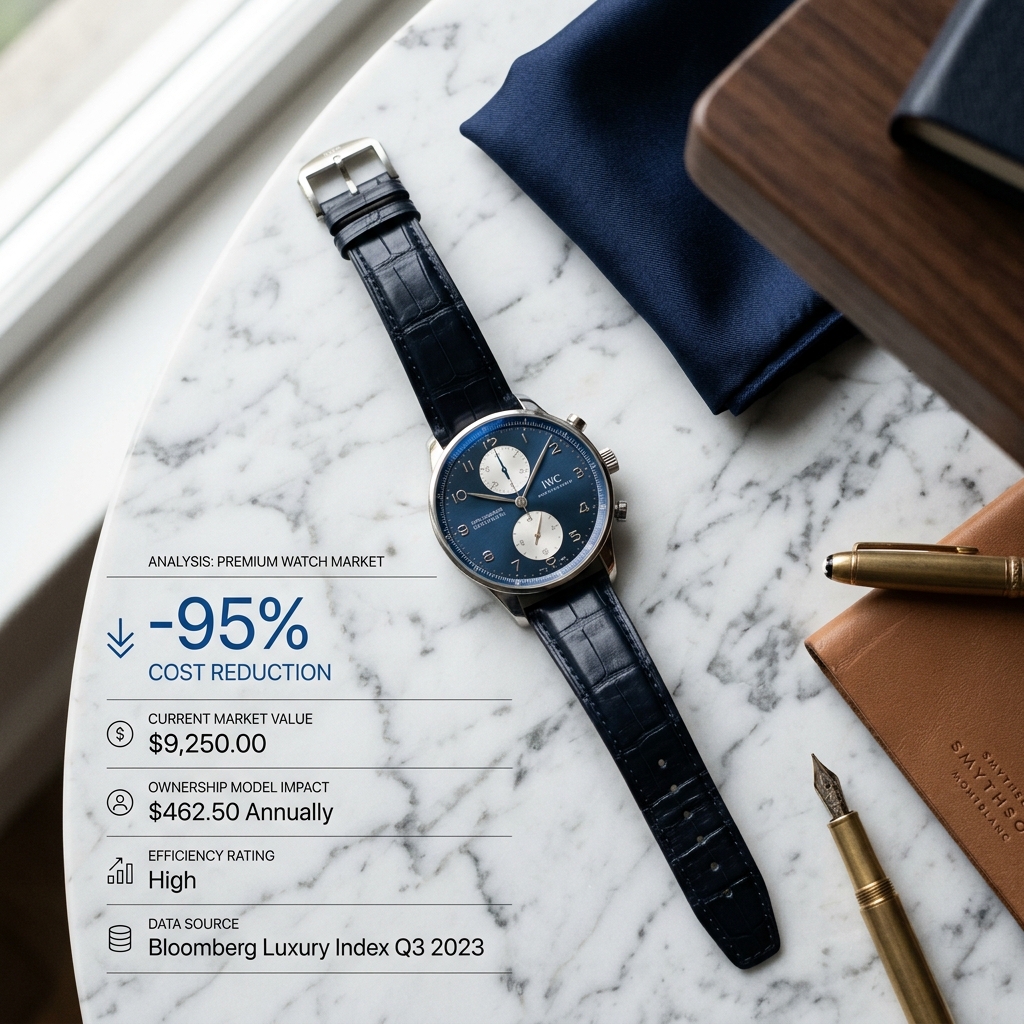
Digital Marketing for Indian SMEs: The Real Cost of Managing 10 Vendors
The invoices are the visible part. The larger cost of a ten-vendor marketing stack is coordination time, slow launches and enquiries nobody answers in time. Here is how to measure all three in your own business.
Taking an Offline Business Online in 7 Days: A Practical Checklist for India
Going online in a week is realistic if you prepare the right inputs and skip what doesn’t matter at launch. This checklist covers the website, the legal pages Indian rules require, GST, product content, Google and enquiry handling.

See-in-Your-Room for Furniture Showrooms: Using It Online and on the Sales Floor
Room visualisation is usually sold as an e-commerce feature. For furniture businesses that close most sales in a showroom, its bigger value may be on the sales floor. Here is how to use it in both places.
AI Agents for E-commerce in 2026: What Works, What’s Hype, and How to Start
Gartner expects a third of enterprise software to include agentic AI by 2028 — and more than 40% of agentic AI projects to be cancelled by 2027. Both can be true. Here is how an e-commerce brand can land on the right side.
AI Voice Calling for Sales in India: TRAI Rules, DPDP Consent and a Compliant Setup
AI calling can reach every enquiry within minutes — but in India the number series, DLT registration and consent rules decide whether you are compliant or facing penalties and disconnection. Here is the full picture.
AI Chatbot for Shopify: A Setup Guide That Captures Leads Without Annoying Shoppers
A chatbot that answers from your real policies and catalog can turn late-night browsers into leads. One that guesses, or demands a phone number first, loses them. Here is how to set one up properly.
Website SEO Audit Checklist for Indian D2C and Retail Brands (2026)
A practical audit you can run on your own site, in the order that matters: indexing first, then speed, structured data, page targeting, content, local search and AI visibility — with the exact thresholds Google uses.
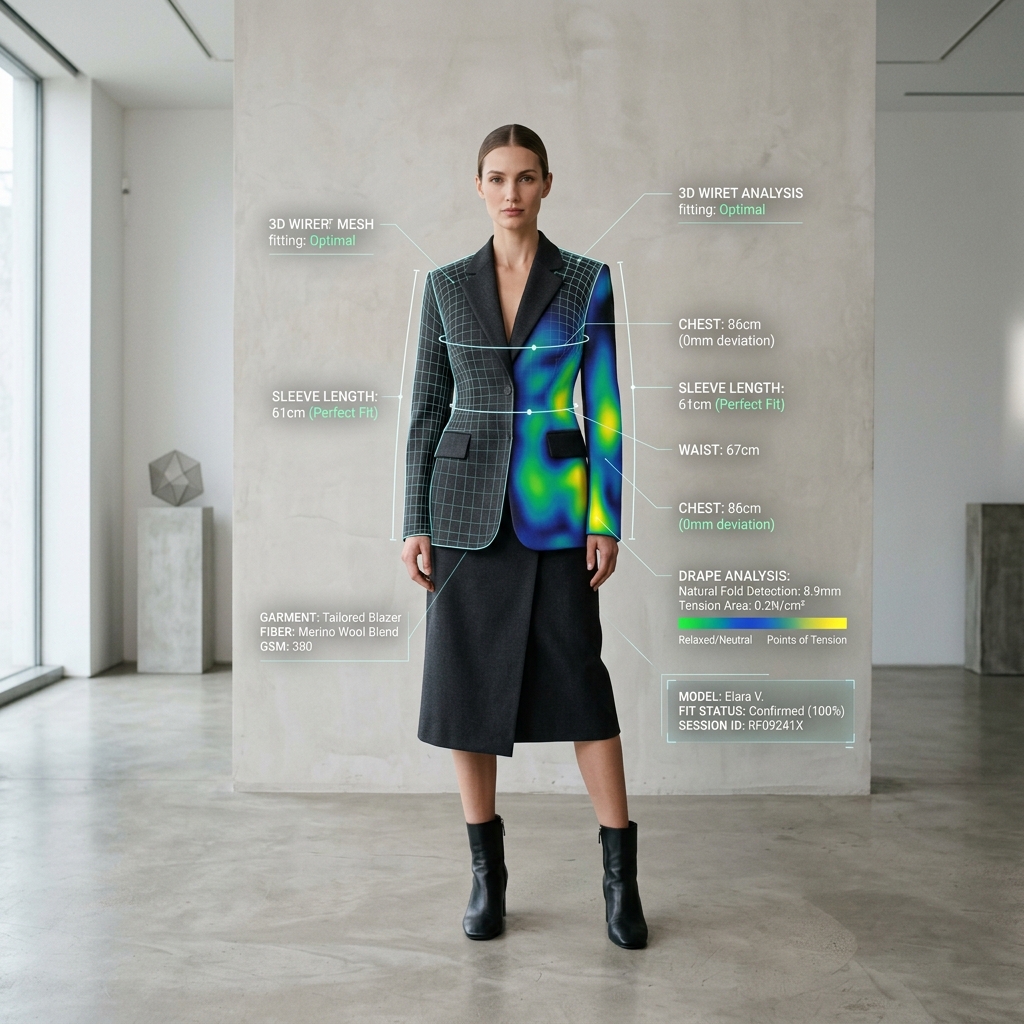
Virtual Try-On for Jewellery in India: How It Works and How to Launch It
Jewellery buyers want to see a piece on themselves before paying for it. Here is how live AR and photo-based AI try-on differ, what they need from your catalog, and how to launch try-on alongside the trust signals Indian buyers check.
From Product Photos to Reels and Shorts Ads with AI: Specs, Structure and Workflow
Most AI product videos fail as ads for boring reasons: text hidden under Instagram’s buttons, no hook, one long clip. Here are the specs and a shot-by-shot workflow to turn product photos into ads that work.
Shopify Bulk Product Upload: CSV Columns, Variant Images and Errors to Avoid
Shopify’s product CSV can create and update hundreds of products at once — if you understand how handles, variant rows and image URLs work. Here is the practical reference, including the mistakes that create duplicates.
How to Reduce Product Photography Costs for D2C Brands
Traditional product photography costs D2C brands thousands of rupees per shoot. AI-powered tools now generate studio, lifestyle, and editorial images at ₹15–₹50 per image — a 95% cost reduction.
Best AI Tools for Furniture E-Commerce in 2026
Furniture brands face unique visual commerce challenges — room context, scale accuracy, and material realism. Here are the best AI tools solving these problems in 2026.
How Virtual Try-On Reduces Fashion Returns by Up to 40%
Fashion e-commerce return rates average 30–40%. AI-powered virtual try-on has been shown to reduce returns by up to 40% while increasing add-to-cart rates by 25–35%.
What Is Instant Commerce? How Fast Visual Content Drives E-Commerce Growth
Instant commerce means generating and deploying production-ready product visuals in under 60 seconds — eliminating the weeks-long production cycle that blocks revenue.
AI vs Traditional Product Photography: Complete Cost Comparison (2026)
Traditional studio photography costs ₹2,000–₹20,000 per product and takes 3–14 days. AI photography produces equivalent images at ₹15–₹50 per image in under 60 seconds.
How to Create a Full Product Catalog Without a Photo Studio
You can build a complete, professional product catalog — thousands of SKUs with studio images, lifestyle shots, and editorial creatives — without booking a single studio session.
AR Furniture Visualisation: How Seeing Products In Your Room Cuts Returns by 35%
Furniture has the highest e-commerce return rate — up to 40% — because customers cannot visualise scale and fit. AR room visualisation reduces returns by up to 35% and increases AOV by 18%.
How to Create AI Product Videos for E-Commerce (Without a Camera)
AI product video tools convert a single product image into a cinematic 6–10 second video generating 3x more engagement than static images, from 150 credits per second at 720p.
The Complete Guide to Shopify Product Image Optimisation in 2026
Shopify stores with optimised product images see 2–3x higher conversion rates. This guide covers dimensions, formats, compression, alt text, and how AI generation produces compliance-ready images automatically.
How AI Product Descriptions Improve SEO Rankings and E-Commerce Conversions
AI product description generators that read product images produce SEO-compliant, conversion-optimised copy — title, bullets, long description, and meta tags — simultaneously in seconds.
AI Product Photography for Jewelry: Mastering Reflective Surfaces and Fine Details
Jewelry is the most technically challenging product photography niche — reflective surfaces, tiny details, and the need for colour-accurate gemstone rendering. AI platforms now solve all three at ₹15–₹50 per image.
How to Optimize Amazon Product Images for Maximum CTR and Conversion
67% of top-performing Amazon sellers now use AI for product imagery. Listings with optimized image sequences see 47% higher conversion rates and 72% organic sales increases. Here is the exact strategy.
Meesho Seller Image Guide 2026: Requirements, Rejections, and How AI Fixes Both
Meesho's image requirements — white background, no text or watermarks, square 1:1 ratio, no brand logos — reject a majority of first submissions. AI-generated images meet every requirement automatically.
Virtual Staging for Real Estate: How AI Sells Homes 73% Faster and Cuts Staging Costs by 95%
Virtually staged listings sell 73% faster, receive 90% more clicks, and achieve 6–10% higher sale prices. AI virtual staging delivers all of this at $1–$15 per image versus $2,000–$5,000 for traditional staging.
Social Commerce in 2026: How Product Videos Drive Sales on Instagram and TikTok
TikTok Shop grew 108% in 2025. 78% of consumers prefer learning about products through short videos. Here is how to build a social commerce video strategy without a production team.
AI Product Photography for Indian Ethnic Wear and Festive Fashion
India's ethnic wear market is growing at 12.6% CAGR. Ethnic wear accounts for 67% of the average Indian woman's wardrobe. AI photography gives D2C ethnic wear brands the visual volume to keep up with demand.
How India's D2C Brands Are Winning with AI Visual Commerce in 2026
India's D2C market is growing at 24% CAGR toward $322 billion by 2031. The brands leading this growth produce visual content 10–50x faster than competitors using AI-powered image and video generation.
Footwear Product Photography: The 7 Angles Every Shoe Brand Needs (and How AI Gets Them Right)
Online footwear returns average 20.5%. Amazon listings with 7–8 images convert at highest rates. The 3/4 elevated angle is the single most effective primary shot for shoes. Here is the complete guide.
How to A/B Test E-Commerce Product Images to Increase Conversion by Up to 35%
Brands systematically A/B testing product images report 15–35% higher conversion rates vs. untested imagery. Here is the exact methodology — what to test, how to run it, and how to read results without wasting money.
WhatsApp Commerce for Indian Brands: How Product Images Drive 18–25% Conversion Rates
WhatsApp commerce conversion rates hit 18–25% — nearly 3x email's 6–7%. India has 500M users and ₹2.5 lakh crore in WhatsApp GMV. Product image quality is the primary conversion driver in WhatsApp catalogs.
How Enterprise Brands Manage Bulk Product Catalog Photography at Scale
Mid-size brands spend $125,000–$250,000 on photography annually. Enterprise brands with in-house studios spend $200,000–$400,000 on infrastructure alone. AI bulk generation processes 1,000+ SKUs per hour at under $50,000/year.
E-Commerce Return Rates by Category in 2025: Data, Causes, and How to Fix Them
Average e-commerce return rates hit 20.5–24.5% in 2025. Clothing averages 26–30%. Electronics hits 10%. Beauty stays below 5%. The primary driver across all categories is the gap between visual expectation and product reality.
Google Shopping Image Optimization: The Complete Technical Guide for 2026
Google recommends 1,500×1,500 px images for Shopping. AI-generated images require IPTC metadata labeling from February 2024. Lifestyle images in secondary slots significantly improve CTR. Here is the complete guide.
Flipkart and Meesho Image Requirements: The Complete Seller Guide for 2026
Flipkart and Meesho have different image requirements that catch most sellers on first submission. This guide covers every rule for both platforms and shows how AI-generated images pass compliance automatically.
How to Build a D2C Brand Visual Identity Using AI (Without a Design Agency)
Brands with consistent visual identity generate 23% higher revenue growth. AI tools let D2C brands define and maintain visual consistency across thousands of product images, campaign creatives, and social assets — without a design agency.
Product Photography for Small Businesses in India: A 2026 Budget Guide
Small businesses in India reduced production costs by up to 80% using AI product photography. A smartphone, natural light, and a ₹9,900/month AI plan is all a small business needs to compete visually with large brands.
10 AI Visual Commerce Trends Reshaping E-Commerce in 2026
87% of retailers adopting AI report annual revenue uplifts. The technology is moving from image generation into AI models, AR-native checkout, multimodal search, and real-time product personalisation. Here are the 10 trends defining 2026.
Instagram Shopping Product Image Strategy: What Converts in 2026
Instagram Reels views for luxury brands grew 234% in Q2 2025. 38% of people use Instagram to discover products. Here is the visual content strategy that converts — from feed posts to Reels to Stories shopping.
AI Fashion Models: What Every D2C Brand Needs to Know in 2026
3 in 4 fashion retailers plan to invest in AI model technology. AI models deliver 60% higher conversion than flat lay or mannequin alternatives at 70% lower content production cost. Here is what D2C brands need to know.
AI Product Photography ROI Calculator: Measuring the Real Business Impact
The average 47-day cost recovery timeline for AI product photography investment. Here is the exact ROI formula covering cost savings, conversion uplift, and return rate reduction — with worked examples for D2C brands.
Ready to cut photography costs by 90%?
Generate studio images, lifestyle scenes, product videos, and marketplace copy from a single product photo — in under 60 seconds.